
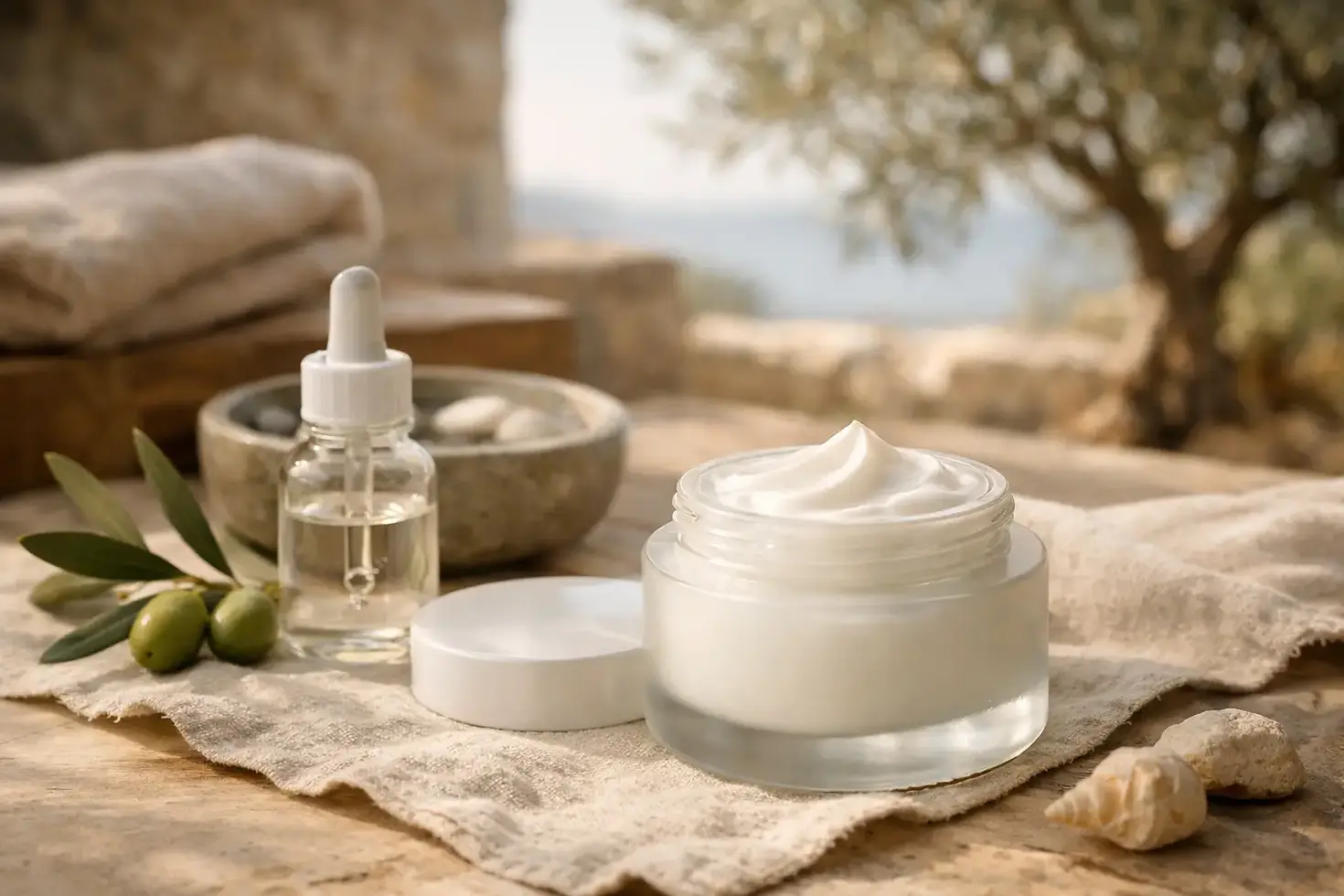
Hyaluronic Acid Cream for Dry Skin
- Sara-Maria Lövgren

- Jul 15
- 5 min read
Dry skin rarely feels dry for just one reason. On the Costa del Sol, a bright morning outdoors, sea air, salt water, air conditioning, and a long shower can all leave skin feeling tight by evening. AHyaluronic Acid Cream for Dry Skin routine is a simple way to give skin a more comfortable, soft, and fresh-looking finish without turning your bathroom shelf into a complicated project.
Hyaluronic acid is often associated with hydration, but the best results come from how you use it and what you pair it with. For dry skin, a cream should do more than feel pleasant for five minutes. It should fit naturally into a daily rhythm that supports the skin's comfort, especially when sun and outdoor time are part of everyday life.
What hyaluronic acid does for dry skin
Hyaluronic acid is a moisture-binding ingredient. It helps hold water close to the skin's surface, which can make skin appear smoother and feel more supple. It is not an exfoliant, and it does not need to sting or tingle to be effective. Its appeal is its quiet, reliable role in a routine.
For dry skin, though, hydration and nourishment are not quite the same thing. Hydration refers to water in the skin, while nourishing ingredients such as emollients and oils help soften the surface and reduce that rough, stretched feeling. This is why a hyaluronic acid cream can be especially useful: it brings moisture-binding support together with the comforting texture of a moisturizer.
The difference matters after a beach day or a workout. Skin may feel thirsty from heat and cleansing, while also needing a little softness from a cream that helps it feel less exposed to the elements. A well-chosen moisturizer addresses both sensations in one easy step.
Choosing a Hyaluronic Acid Cream for Dry Skin
A good cream for dry skin should feel comfortable enough to use every day, not so heavy that you only reach for it when your skin is already uncomfortable. Texture is personal. Some people prefer a richer cream at night and a lighter finish in the morning, especially under makeup or sunscreen. Others enjoy one dependable cream for both.
Look beyond the front-label ingredient. Consider how your skin feels after cleansing, how much time you spend outside, and whether your face tends to feel dry everywhere or only around the cheeks, mouth, and eyes. Skin can also change with the season. A cream that feels perfect during a mild spring may need an extra layer of facial oil on a windy winter evening.
For a Mediterranean routine, it also helps to choose a formula that sits well beneath daily sun protection. Moisturizer and SPF have different jobs. A hydrating cream supports comfort, while SPF helps protect skin during daylight hours. Using both is usually more practical than expecting one product to replace the other.
Apply it while skin is still slightly damp
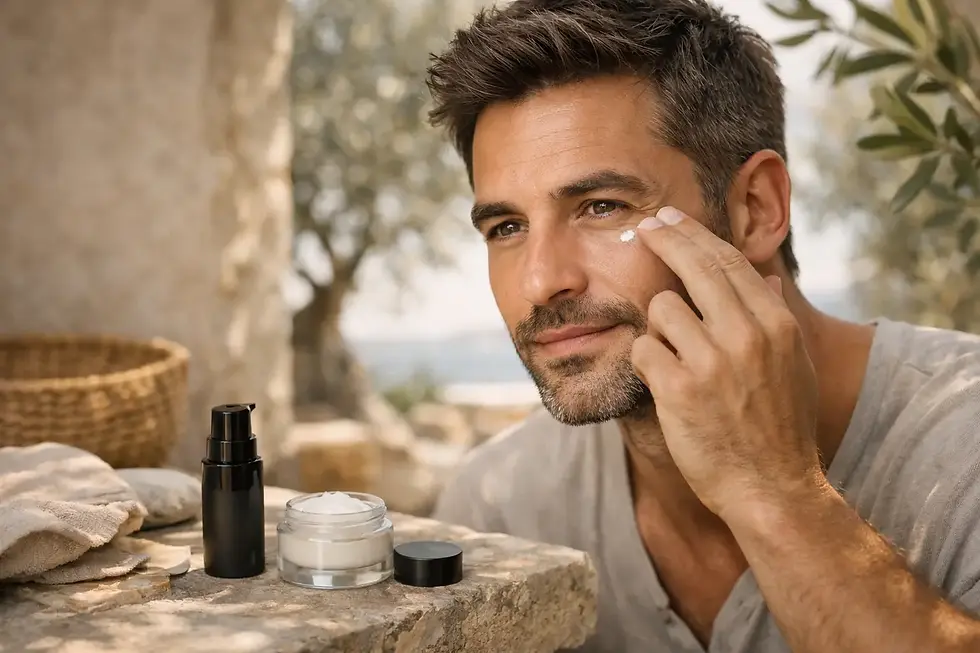
One small adjustment can make a hyaluronic acid cream feel more effective: apply it to clean skin that is still slightly damp. This does not mean wet skin. Simply pat your face gently after cleansing, leaving a trace of moisture behind, then apply your cream without waiting several minutes.
That little bit of water gives hyaluronic acid something to hold onto. Follow with a cream that feels nourishing enough for your skin, and the result is often a more comfortable finish than applying it to skin that has already dried completely.
Use gentle pressure rather than rubbing quickly. Warm a small amount between clean fingertips, then smooth it over the cheeks, forehead, chin, and neck. The neck is easy to forget, but it is often one of the first areas to feel dry after sun exposure and frequent showering.
There is no need to use a large amount. Start with a modest layer and add a little more only where your skin needs it. Applying too much product does not automatically create more hydration, and it may make sunscreen or makeup harder to apply evenly afterward.
A simple morning routine for sun-exposed days
Mornings are about preparing skin for the day ahead, not overloading it. After cleansing with a gentle face wash, apply your hyaluronic acid cream while skin is lightly damp. If your skin enjoys an extra step, a hydrating facial mist can be pressed in first, but it is optional.
Allow the cream a moment to settle, then finish with broad-spectrum SPF. If you prefer a little coverage, a CC cream with SPF can be a useful final layer for casual days, walks along the promenade, or lunch outside. The key is to apply sun protection generously and consistently rather than relying on a tiny amount of tinted product.
If you are heading to the beach, swimming, or exercising outdoors, keep your routine especially uncomplicated. Cleansed skin, moisturizer if needed, and appropriate sun protection are often enough. Save richer layers for later, when you are home and can enjoy a slower evening routine.
Evening care after sea, sun, and cleansing
Evenings are when dry skin often asks for more comfort. Salt water, perspiration, sunscreen, and city dust can leave a film on the face, so begin by cleansing gently. Avoid the temptation to scrub every night. Over-cleansing can make dry skin feel even more unsettled.
After cleansing, apply your cream to slightly damp skin. If your face feels particularly dry, press a few drops of facial oil over the cream once it has settled. Oil does not replace hydration, but it can add a soft, cushioned finish and help make a nighttime routine feel restorative.
This is also a good time to use a targeted serum if it suits your routine. A niacinamide serum and a hyaluronic acid cream can work well together for many people, but introducing too many new products at once makes it harder to notice what your skin truly enjoys. Add one product, use it consistently, and keep the rest of your routine calm.
When a cream alone may not feel like enough
Sometimes skin still feels dry despite using moisturizer regularly. Often, the answer is not a stronger formula but a closer look at the routine around it. Very hot water, foaming cleansers that leave skin squeaky, frequent exfoliation, and skipping moisturizer after showering can all contribute to discomfort.
Consider reducing exfoliation if your skin feels rough and sensitive at the same time. A face and body exfoliator can be a lovely occasional ritual, but dry skin generally benefits from a gentle approach rather than daily polishing. Pay attention to the message your skin is giving you: comfort is a better guide than chasing a perfectly polished finish.
Indoor air can play a role too. Air conditioning and travel often make skin feel drier, even when the weather outside is humid. Keeping a consistent morning and evening routine is more useful than constantly changing products. Skin tends to appreciate steady care.
Make hydration a daily act of care
A moisturizer is one of the most practical parts of a skincare routine because it brings you back to your skin twice a day. It is a brief pause after cleansing, a chance to notice whether your cheeks feel soft, whether your forehead feels comfortable, and whether your routine still suits the season.
NOREA's Moisturising Day Cream is designed for that kind of uncomplicated daily care: a considered step that helps skin feel nourished and comfortable without asking for a long list of products. Pair it with gentle cleansing, thoughtful sun protection, and a slower evening layer when your skin needs one.
Your routine does not have to be perfect to feel good. A cream you enjoy applying consistently can become a small, grounding ritual after a swim, before a busy day, or at the end of an evening outdoors. When you are ready, discover the Moisturising Day Cream in our online store and find the rhythm that feels right for your skin.


Comments